
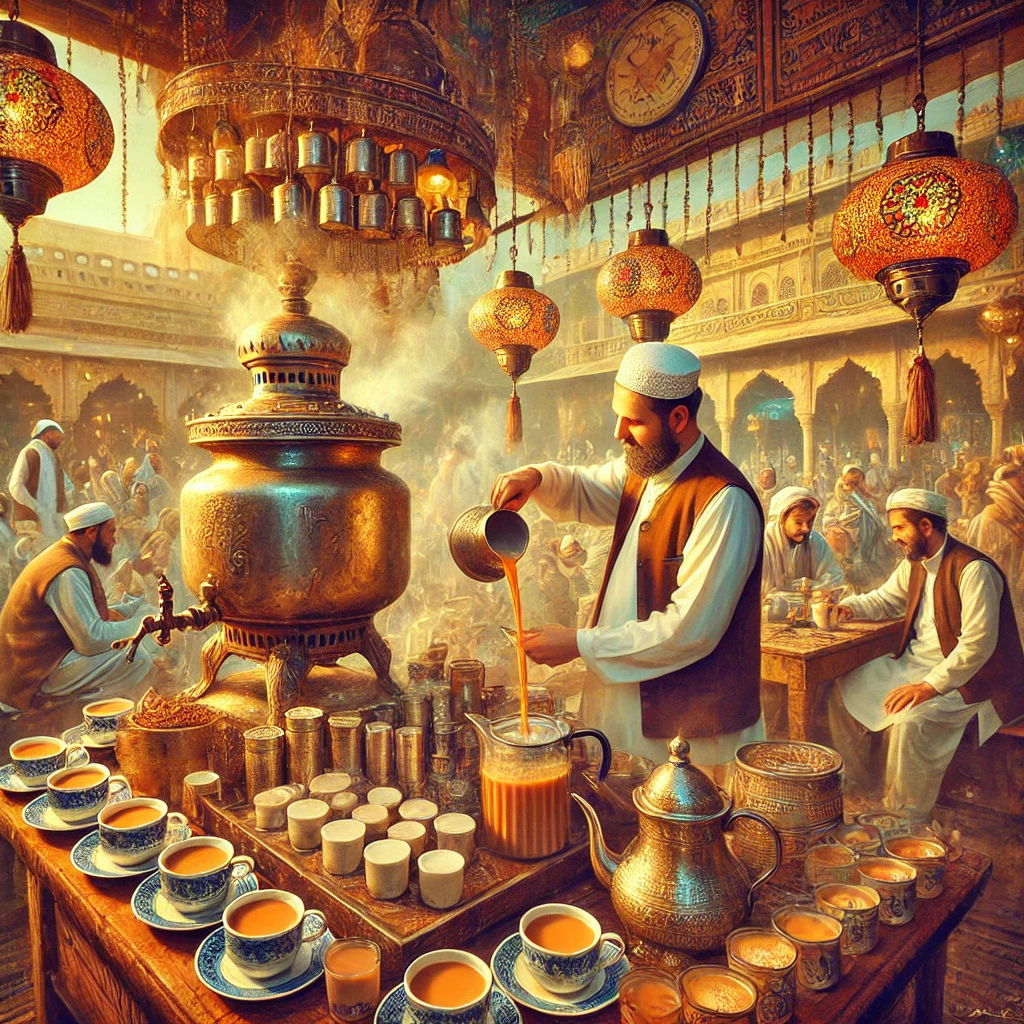

Starting a tea business in Pakistan can be a lucrative venture, given the country's strong tea-drinking culture that spans across various demographics. Whether you want to open a tea café, start a packaged tea brand, or venture into online tea sales, there are several key factors to consider. The tea industry in Pakistan is not just a business opportunity; it's a chance to tap into a deeply rooted tradition and cater to a growing market of health-conscious consumers. By understanding the nuances of consumer preferences and market dynamics, you can position your business for success.
1. Market Overview
Pakistan is one of the largest consumers of tea in the world, with a market dominated by popular brands like Tapal, Lipton, and Vital Tea. However, there is growing demand for premium, organic, and herbal teas, especially among health-conscious consumers looking for natural alternatives. With rising awareness about the health benefits of tea, including antioxidants and stress relief properties, there is a significant opportunity for new entrants. Market studies suggest that the premium segment is expected to grow rapidly, making it an attractive area for investment.
2. Types of Tea Businesses
You can explore various business models based on your investment and target market, allowing for flexibility and innovation:
- Tea Café/Kiosk: A modern tea café with different flavors and add-ons.
- Packaged Tea Brand: Selling loose-leaf or packaged tea with branding.
- Online Tea Store: Selling specialty teas via e-commerce.
- Tea Distribution Business: Supplying bulk tea to restaurants, hotels, and retailers.
3. Legal and Business Setup
- Register Your Business: Get your company registered with SECP (Securities and Exchange Commission of Pakistan).
- Food Licensing: Obtain licenses from the Pakistan Food Authority (PFA).
- Trademark and Branding: Protect your brand name with IPO Pakistan.
4. Sourcing Tea
- Local Suppliers: Buy tea from wholesalers in Karachi, Lahore, or other major markets.
- Importing Tea: Consider importing high-quality tea from Kenya, Sri Lanka, or China.
- Organic and Herbal Options: Green tea, herbal tea, and detox blends are gaining popularity.
5. Branding & Packaging
- Unique branding is crucial for standing out in the competitive market.
- Eco-friendly and innovative packaging can attract health-conscious consumers.
- Consider working with professional designers for eye-catching labels.
6. Marketing & Sales Channels
- Social Media: Use Facebook, Instagram, and TikTok for promotions.
- E-commerce: Sell via Daraz, Shopify, or a personal website.
- Wholesale & Retail: Supply to supermarkets, cafes, and small retailers.
- Influencer Marketing: Collaborate with food bloggers and influencers.
7. Cost & Profit Margins
- Startup Costs: Can range from PKR 500,000 to several million, depending on scale.
- Profit Margins: Can be high, especially for premium and imported teas.
- Break-even Period: Typically 6 months to 1 year if marketed effectively.
Would you like specific guidance on creating a comprehensive business plan, identifying supplier contacts, or developing effective branding strategies? Engaging with experts in these areas can further enhance your chances of success. Investing time in research and professional advice can lead to informed decisions that drive your tea business forward.